
The Future of Farming May Depend on Culture More Than Agriculture
When most people think about the future of farming, they think about technology.
Artificial intelligence. Automation. Precision agriculture. Drones. Robotics.
Others point to labor shortages, rising land prices, trade policy, or the aging population of American farmers.
Those are all real challenges, but I wonder if we're overlooking another one.
What if the future of farming depends just as much on culture as it does on production.
That question came to mind after reading about Land O'Lakes, Inc.'s Modern Rural Collective, an initiative working with Getty Images and Imagine Entertainment & Television to help reshape how rural America is portrayed in advertising, film, and television.
At first glance, it seems like an unexpected role for one of the country's largest farmer-owned cooperatives. Shouldn't an agriculture company focus on farming? I would argue that it is. Because how we portray agriculture ultimately shapes how people value it.
For decades, we've invested in helping people understand agriculture through education. We've explained how food is grown, highlighted the importance of farmers, and shared statistics about the industry's economic impact.
Those efforts matter. But understanding isn't always what changes behavior. Connection does.
Over the past five years, I've had the opportunity to visit farms across the country and spend time with the people growing our food. One thing has become increasingly clear: consumers aren't disconnected from agriculture because they don't care.
They're disconnected because they don't see it. They see the restaurant, but not the farm supplying the ingredients. They admire the bouquet of flowers, but rarely think about the grower who cultivated them. They drive through beautiful farmland without realizing those landscapes represent family businesses, local jobs, wildlife habitat, and generations of stewardship. Agriculture surrounds us every day, yet it often remains invisible.
What's interesting is that people are already searching for many of the things agriculture provides. They're looking for authentic experiences. They're planning weekends around farm dinners, flower farms, wineries, orchards, and farmers markets. They're seeking local food, meaningful travel, and opportunities to connect with the communities they visit.
In other words, people already value many of the outcomes of agriculture.
They just don't always recognize agriculture as the source.
That's why I believe agriculture doesn't just have a farmer succession challenge. It has a customer succession challenge.
The future of farming depends on the next generation of consumers choosing to value agriculture. That choice isn't made in a classroom. It's made through experiences. It's made through relationships. And increasingly, it's shaped by culture.
We've seen culture transform entire industries before.
Television turned chefs into household names. A generation grew up watching Julia Child make French cooking approachable, then Anthony Bourdain showed us that food could tell the story of people and places. Today, millions of viewers know chefs not just by what they cook, but by what they believe.
Agriculture hasn't experienced that same cultural shift.
Most people can name a celebrity chef. Far fewer could name the farmer growing the ingredients. Yet we're beginning to see signs that this is changing.
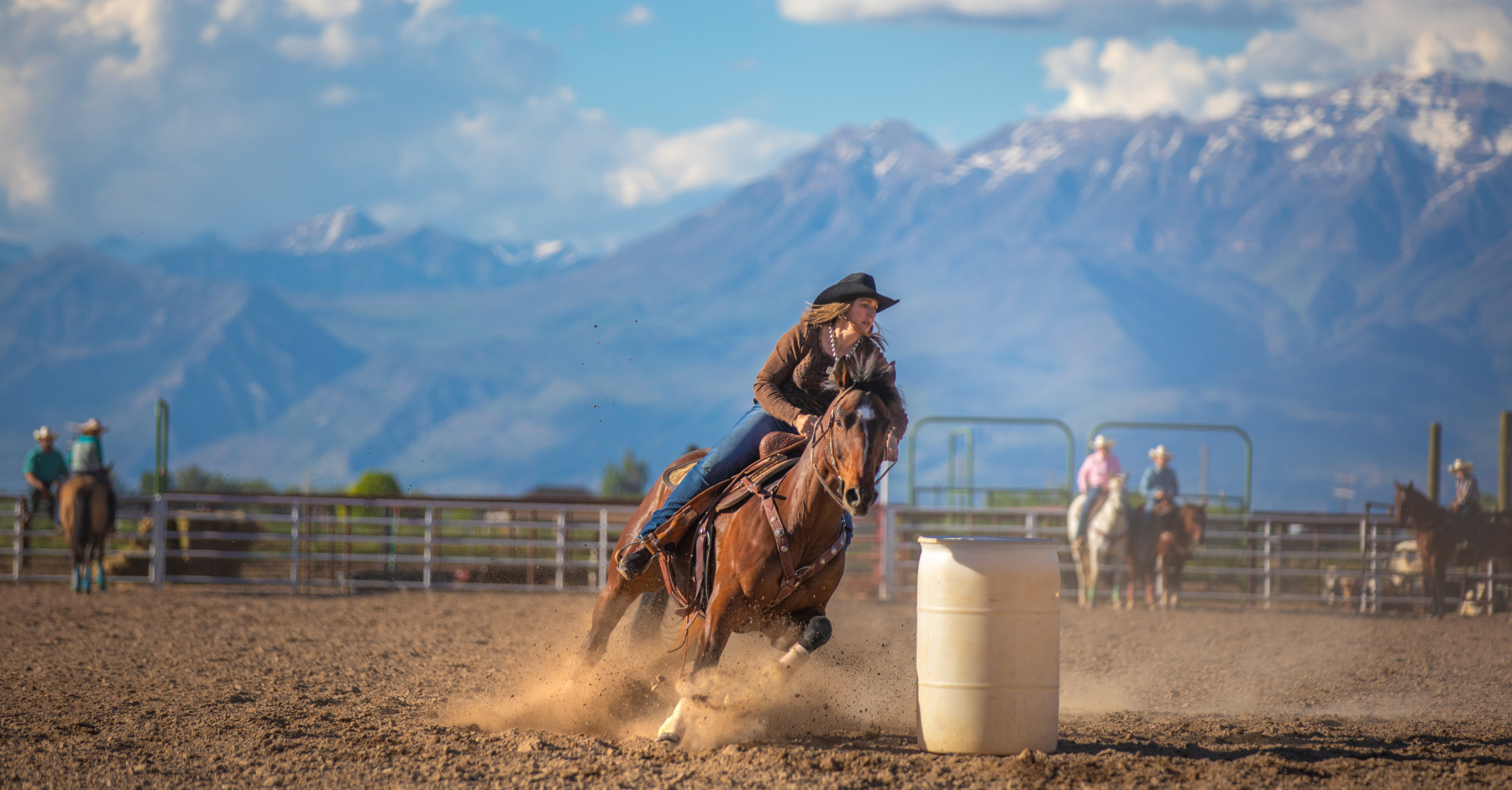
Shows like Yellowstone have reshaped conversations around ranching and rural life. Rodeo has reached audiences that never would have attended an event a decade ago. Farm stays, agritourism, and local food experiences have become sought-after weekend activities, not just for rural families, but for people living in cities who are looking for connection.
This isn't simply a tourism trend. It's a cultural one. The stories we tell influence what we value. And what we value influences the choices we make.
If consumers see agriculture as anonymous production, they'll shop one way. If they see it as people, families, communities, and places worth protecting, they'll shop differently. They'll travel differently. They'll vote differently. They'll advocate differently.
That's why I find initiatives like the Modern Rural Collective so compelling. They're not really about correcting stereotypes. They're about making agriculture visible again. Because agriculture has never just been about producing food. It shapes local economies. It preserves open space. It defines regional cuisine. It gives communities their identity. It creates destinations people travel to experience. It touches every part of our lives, whether we realize it or not.
For years, we've asked how to attract the next generation of farmers. It's an important question.
But perhaps the equally important question is this: How do we help the next generation of consumers recognize the value of agriculture before they ever step onto a farm?
Because the future of farming won't be shaped only by what happens in our fields. It will also be shaped by the stories we tell about them.