
Why We're Flying Across the World for Experiences We Already Have at Home
During a recent conversation about agritourism, I found myself returning to a question I haven't been able to stop thinking about:
Why are we willing to spend thousands of dollars traveling across the world for experiences we often overlook close to home?
As someone who spends much of my time visiting farms across the East Coast, I've realized many of the experiences people associate with places like Tuscany, Portugal, or Montana already exist here. The difference isn't the experience itself. It's whether we've learned to see it as something worth traveling for.
I think we've become conditioned to believe extraordinary experiences exist somewhere else.
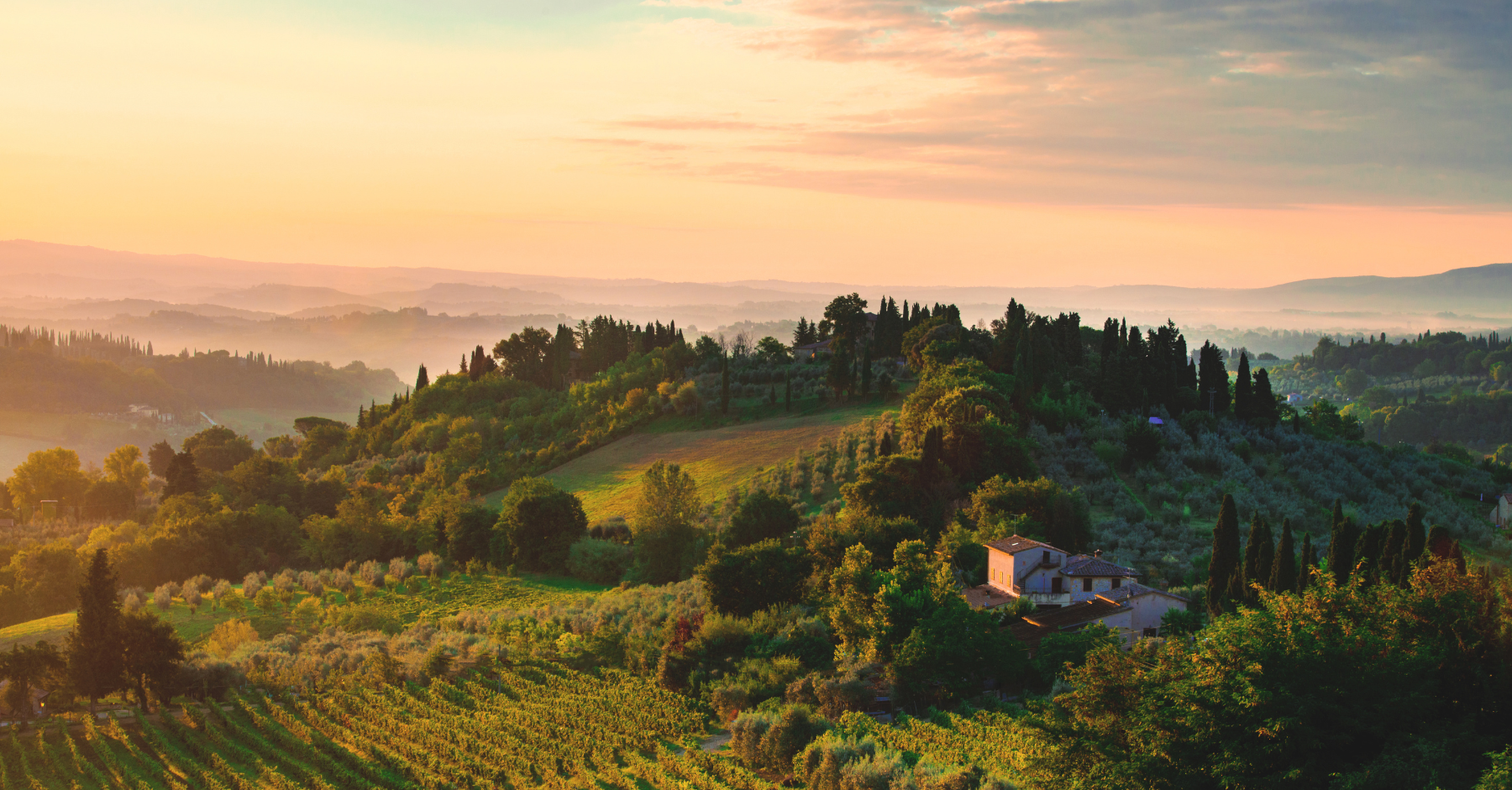
Think about the vacations people dream about. A vineyard in Tuscany. A restored farmhouse in Portugal. A luxury ranch in Montana. A chef-prepared dinner overlooking vineyards. A weekend spent unplugging, eating food grown just steps away, and reconnecting with nature.
These experiences are marketed as luxurious, authentic, and unforgettable.
They often are. But they are not exclusive to Europe or the American West.
Across North and South Carolina, farms are offering chef-led dinners, overnight stays, wine tastings, floral design workshops, yoga classes, watercolor sessions, horseback riding, pick-your-own experiences, and opportunities to learn directly from the people caring for the land. In many cases, these experiences are less than an hour from home.
The difference is not necessarily the quality of the experience. It's how we perceive and market it.
Consider Outstanding in the Field, the traveling dinner series founded in 1999. Its concept is simple but powerful: instead of bringing farm ingredients into a restaurant, bring the restaurant to the source. The organization sets one long table in vineyards, pastures, orchards, beaches, and other landscapes, inviting guests to share a meal alongside the farmers, chefs, winemakers, and artisans who made it possible.
In September, Outstanding in the Field will host a dinner outside Asheville at East Fork Pottery's Alexander Kiln. Guests will dine beside a wood-fired kiln overlooking open pasture and rolling hay fields. The menu will be shaped by the season and served on pottery made by the hosts. Tickets cost $390, and the event is already sold out.
That price and demand tell us something important. People are not simply paying for dinner. They're paying for atmosphere, storytelling, craftsmanship, scarcity, and a connection to place.
The same idea has helped turn Blackberry Farm in Tennessee into one of the country's best-known luxury retreats. Guests pay more than $1,200 per night to stay on a 4,200-acre property in the foothills of the Great Smoky Mountains, where food, hospitality, outdoor recreation, and the surrounding landscape are woven into a single experience.
Juneberry Ridge in North Carolina offers another example. Its all-inclusive farm stays pair lodging and farm-to-fork meals with yoga, nature walks, gardening, workshops, and lessons in regenerative agriculture. A three-night stay for two can cost nearly $2,000. The experience is presented not simply as a place to sleep, but as an opportunity to reconnect with nature, food, and one another.
European properties have embraced this idea for decades. At São Lourenço do Barrocal in Portugal, travelers stay on a working estate with vineyards, olive groves, gardens, and livestock. Guests eat food produced on the property, tour herb gardens with chefs, visit beehives, take pottery classes, and learn about land that has been farmed for generations.
Just outside Paris, Le Barn offers a countryside retreat built around renovated barns, horses, gardens, seasonal food, bike rides, pottery, fishing, and family activities. Although it's less than an hour from one of the world's busiest cities, it gives guests the feeling of escaping into another world.
The appeal of these places isn't difficult to understand. Modern life is fast, crowded, and increasingly digital. People are searching for opportunities to slow down and participate in something tangible. They want to eat food with a story, spend time outside, learn a skill, and create memories with the people they love.
Farms are uniquely positioned to meet that need.
A peach orchard isn't just a place to buy peaches. It becomes the setting for a family tradition. A flower farm becomes a girls' day out or a date night. A farm dinner introduces guests to a chef, a farmer, and a landscape in a single evening. A farm stay offers the quiet, beauty, and sense of discovery that travelers often associate with distant destinations.
The experience becomes more meaningful because it is connected to something real. The field isn't decorative. The food was grown there. The person speaking to guests may have planted, harvested, or cared for it. The story can't be recreated in a generic hotel or restaurant because the land and the people are inseparable from the experience.
That is why I believe agritourism should be viewed as more than a niche category within agriculture. It is part of the broader experience economy, with implications for tourism, community development, small business growth, and regional identity.
For years, destinations have built culinary reputations around restaurants and chefs. That attention has been valuable, but the story often begins much earlier.
Great food destinations don't begin in restaurant kitchens. They begin on farms.
The farms, orchards, vineyards, dairies, fisheries, and food producers surrounding a city shape what eventually appears on its menus. They give chefs something distinctive to work with and give visitors a deeper understanding of the place they're experiencing.
Food may introduce someone to a destination. Farms help them form a connection to it.
This opportunity isn't limited to luxury resorts or high-priced dinners. It exists in the smaller experiences happening every weekend across the country.
Families can pick strawberries or peaches. Friends can attend a flower workshop. Couples can enjoy wine overlooking a vineyard. Children can meet farm animals, learn where breakfast comes from, or see vegetables growing before they reach the dinner table. Visitors can shop at roadside stands, tour working farms, or spend an evening at a dinner prepared with ingredients harvested just steps away.
Individually, these may seem like simple activities. Together, they represent a much larger shift in how people want to spend their time.
We're not only looking for places to visit.
We're looking for places that help us feel present, connected, and grounded.
Maybe that's why farm experiences are resonating so deeply right now. They're not offering something new. They're offering something we've been missing.
We've become conditioned to believe extraordinary experiences exist somewhere else. In reality, some of the most memorable moments may be waiting just down the road.
Sometimes the most memorable journeys don't begin with a passport.
They begin with seeing your own community through a different lens.