
Why the Future of Agriculture Can’t Be Left to Agriculture Alone
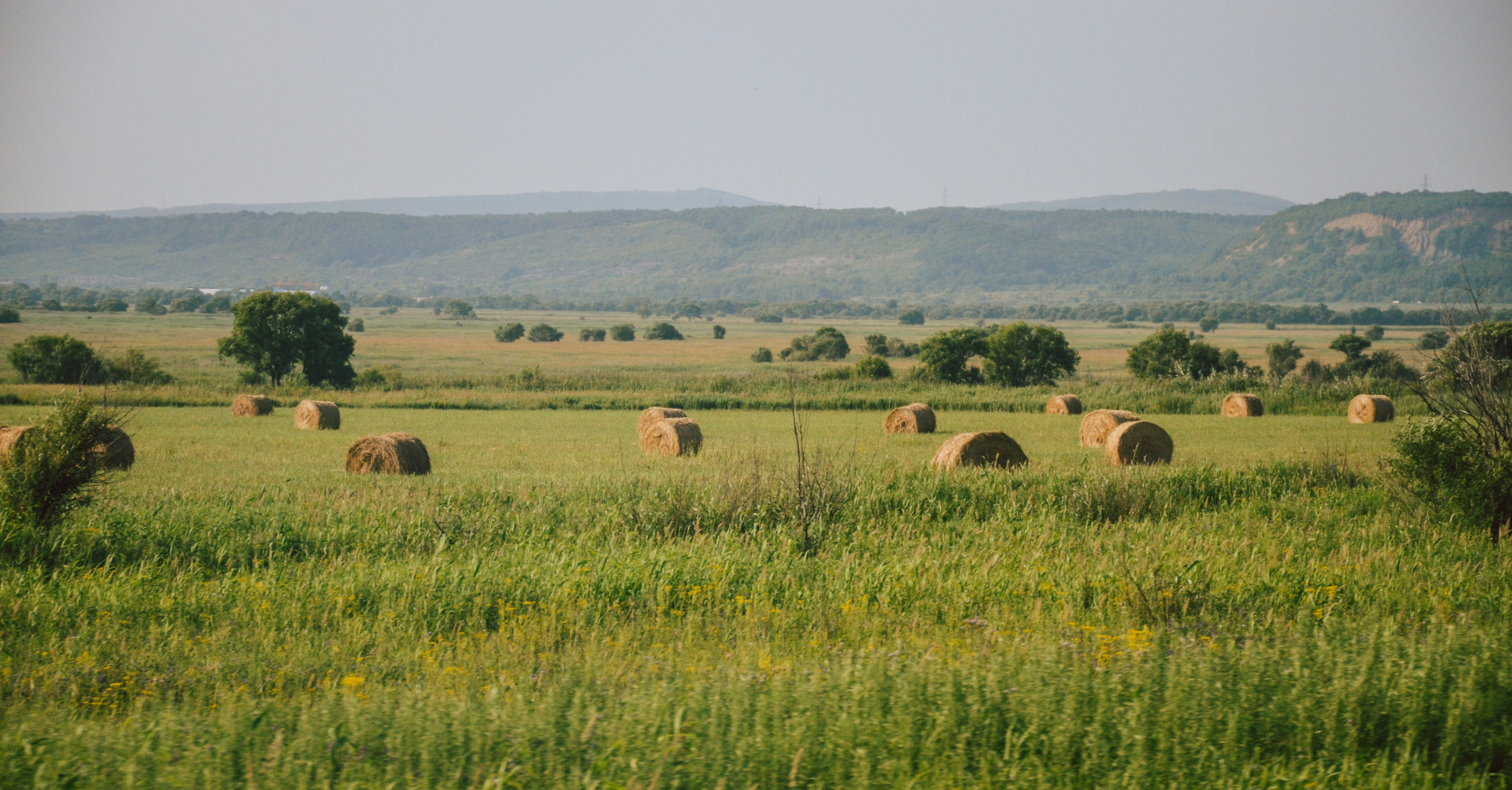
One thing I’ve learned through my work in agriculture is that it’s almost impossible to separate the future of farms from the future of their communities.
We tend to talk about agriculture as its own sector. Economic development has its priorities. Tourism has its strategy. Hospitality focuses on visitors and customers. Small business organizations support entrepreneurs. Community development thinks about quality of life. Land-use conversations happen somewhere else entirely.
But agriculture touches nearly all of them.
A farm is a business, but it can also be a tourism destination, a local employer, a food source, a customer for other businesses and part of what gives a community its identity. Increasingly, I think the communities that understand those connections will be better positioned to keep agriculture viable as they grow.
What Actually Disappears When We Lose a Farm?
When a farm disappears, the most visible loss is the land. A field becomes a neighborhood. A pasture becomes commercial property. Development itself isn't inherently the problem. Communities need housing, businesses, infrastructure and places for people to work.
But the economic and cultural value of what existed there can be easy to overlook.
We may lose a family business that has operated for generations. We may lose a local source of food. We lose agricultural knowledge that is difficult to recreate once it disappears. We might lose a farmstand where neighbors bought peaches every summer, a pumpkin patch families visited every fall or an educational experience where children learned for the first time that food doesn't begin at the grocery store.
The effects can extend beyond the farm gate.
That farm may have purchased equipment locally, hired local workers, attracted visitors who ate at nearby restaurants, sold ingredients to local chefs or created products that helped define the food culture of the region.
Remove enough of those farms and eventually the character and economy of a place begin to change, too.
Agriculture Is an Economic Development Conversation
This is one reason I believe agriculture belongs much more prominently in economic development conversations.
Traditionally, economic development is often associated with recruiting companies, creating jobs and expanding the tax base. Those things matter. But supporting the businesses already rooted in a community matters too.
Farms are businesses. Many are also entrepreneurial platforms.
A farmer may start with a traditional agricultural operation and eventually add a farmstand, event venue, agritourism experience, value-added product, educational program or direct-to-consumer business. One agricultural operation can generate multiple streams of economic activity.
The opportunity isn't necessarily to turn every farm into a tourist attraction or consumer brand. It is to recognize that agriculture can contribute to a regional economy in more ways than production alone.
Tourism and Hospitality Start Earlier Than We Think
The same is true for tourism.
We often think about tourism through hotels, restaurants, attractions and events. But some of the experiences travelers are increasingly seeking are rooted in the land and culture of a destination.
Orchards. Vineyards. Farm dinners. U-pick fields. Farmers markets. Farm stays. Seasonal festivals. Local food trails.
Agriculture can give visitors something increasingly valuable: a sense of place.
And there is an important connection to hospitality here, too. Great local food experiences don't begin when a plate reaches a restaurant table. They begin with the farms, producers and food businesses that make that plate distinctive.
When agriculture, tourism and hospitality work together, the result can be bigger than any individual farm or restaurant. It creates a regional story people can experience.
The Small Business Connection
Agriculture also belongs in our conversations about small business.
Many of the farmers I meet are doing far more than growing or raising a product. They are managing social media, developing brands, creating events, navigating e-commerce, building wholesale relationships, managing employees and figuring out how to reach consumers whose buying habits are changing rapidly.
They are entrepreneurs.
Yet agricultural businesses and traditional small-business support systems don't always intersect as much as they could.
There is tremendous opportunity in bringing those worlds closer together. Marketing education, business development programs, entrepreneurial resources and partnerships designed for Main Street businesses can often create value for farms as well.
Likewise, farms can create opportunities for other entrepreneurs, from food makers and chefs to photographers, event professionals, retailers and hospitality businesses.
Rural Infrastructure Matters, Too
Utilities and infrastructure are another part of this ecosystem that can be easy to overlook.
Broadband determines whether a farm can run an online store, market itself effectively or adopt new technology. Roads determine how easily visitors and products can reach a farm. Energy infrastructure affects operating costs and expansion opportunities.
These aren't separate rural development issues. They directly influence whether agricultural businesses can compete.
When we talk about keeping farms viable, we also have to talk about whether the communities around them have the infrastructure necessary for modern agricultural businesses to succeed.
The Bigger Question
None of this means every acre of farmland can or should remain unchanged forever. Communities evolve. Populations grow. Land changes hands.
But I think we should ask a bigger question before agriculture disappears from a community:
Do we fully understand what we're losing?
Because once you start viewing agriculture as part of a larger regional ecosystem, the conversation changes.
Farmland preservation becomes connected to economic development. Agritourism becomes connected to destination marketing. Local food becomes connected to hospitality. Farm entrepreneurship becomes connected to small-business development. Broadband and infrastructure become connected to agricultural viability.
Suddenly, agriculture isn't a niche industry sitting outside the region's broader strategy.
It's part of the strategy.
The future of agriculture won't be determined by farmers alone. It will also be shaped by tourism organizations, economic developers, utilities, chambers, hospitality leaders, community organizations, local governments and consumers.
Supporting agriculture isn't simply an investment in farmers.
It's an investment in the economic and cultural fabric of a place.